“`html
Discovering Toronto’s Street Art
Toronto, a vibrant city known for its multicultural community and dynamic arts scene, offers an engaging exploration for lovers of street art. With its creative hubs and urban landscapes, the city is a canvas for diverse street art that reflects Toronto’s cultural narratives and artistic innovation. In this blog post, we delve into where you can find iconic street art in Toronto, especially focusing on Graffiti Alley, its cultural significance, and its unique aesthetic appeal. We’ll look at the historical context, guide you on how much time to allocate for your visit, and provide safety tips, especially for solo female travelers. Moreover, discover what else you can explore nearby to enrich your visit to this lively urban setting.
Where is Graffiti Alley in Toronto
Nestled in the heart of Toronto’s vibrant Queen West neighborhood, Graffiti Alley stretches across 0.5 km from Spadina Avenue to Portland Avenue. It’s a hotspot for tourists and locals alike, showcasing some of the finest street art in the city. This particular location has grown famous not only for its vibrant artwork but also as a cultural hub that promotes artistic freedom and expression.
To find Graffiti Alley, travelers can best begin at the intersection of Queen Street West and Spadina Avenue, then head south onto Rush Lane. The alley runs parallel to the trendy Queen Street, which is a popular destination for shopping, dining, and exploring other artistic spaces. Well-connected by public transportation, the area is easily accessible for both newcomers and seasoned street art enthusiasts.
Some Toronto Street Art History
The legacy of street art in Toronto dates back several decades, with roots in the early graffiti movements of the 1980s. Over the years, it has evolved into a respected form of public art that intertwines with social activism, community storytelling, and cultural expression. Toronto’s street art is not just aesthetically pleasing but often carries profound messages that address social and political themes.
Graffiti Alley has become a symbol of this artistic evolution. Once an area filled with unauthorized graffiti, it has transitioned into a celebrated outdoor gallery where artists, both local and international, are invited to paint. This shift from illicit tagging to sanctioned artistry underscores Toronto’s commitment to fostering creativity and expanding the art scene beyond traditional spaces.
How much time should you spend at Graffiti Alley?
Exploring Graffiti Alley can be as swift or leisurely as you like, depending on your interest in street art. For those keen on photography and art appreciation, allocating about an hour should suffice to explore the length of the alley. You’ll find intricate murals, bold statements, and colorful motifs that reveal themselves as you traverse its stretch.
If you’re planning to truly immerse yourself in the details, consider spending a bit more time, perhaps extending your visit to around two hours. This allows you to appreciate the range of styles and possibly engage with artists who may be at work, offering a unique insight into the creative process behind the murals.
What kind of art will you see there?
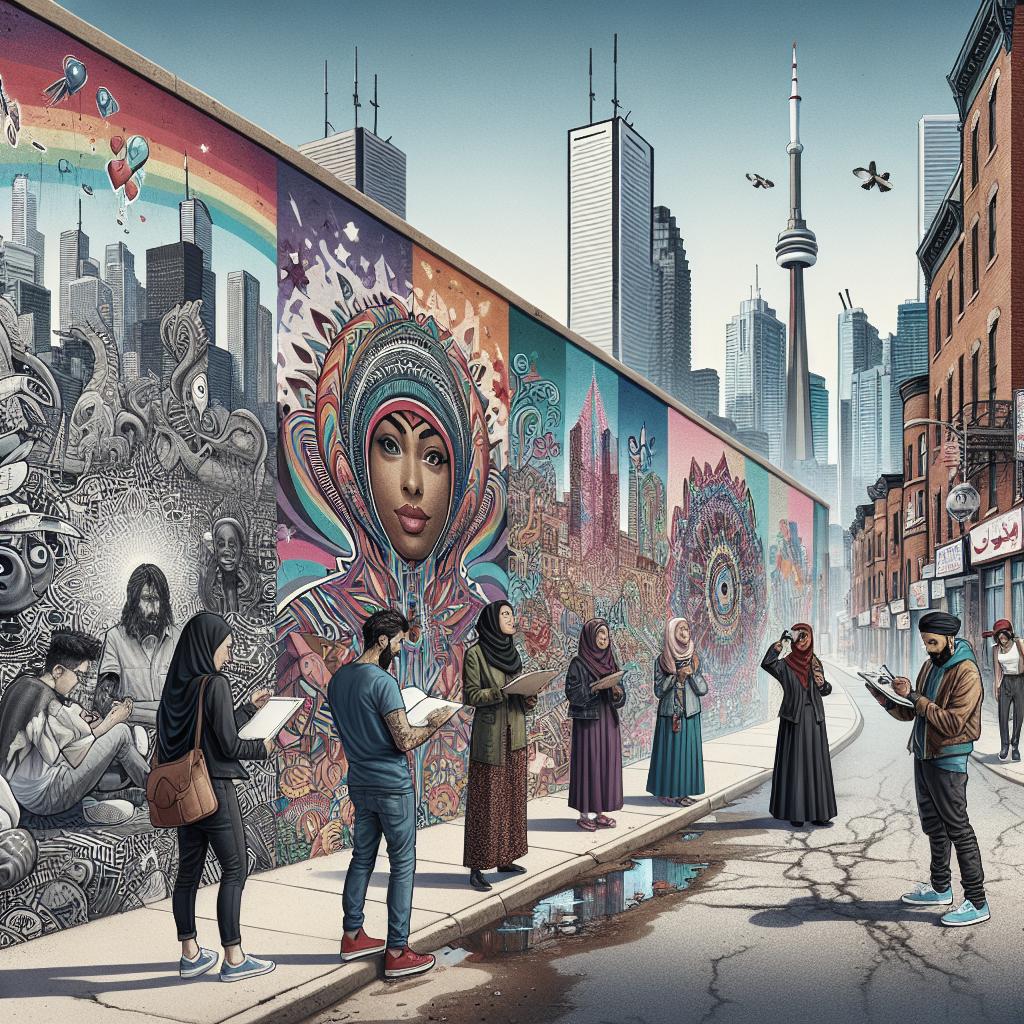
Graffiti Alley’s art is a melting pot of styles and influences—ranging from abstract kaleidoscopic patterns to realistic portraits and vibrant lettering. Many pieces reflect current political and social issues, transforming the walls into a living commentary that resonates with onlookers. Each mural tells its own story and artist’s perspective, offering a visual feast that changes over time as new art replaces the old.
Beyond the expected graffiti, you’ll witness art that incorporates elements of sculpture and mixed media. Influences from various cultures are evident, making Graffiti Alley not just a local attraction, but a global one that connects various artistic traditions. This constantly evolving scene ensures that no two visits are ever the same.
Is Graffiti Alley safe for solo women travellers?
Graffiti Alley is generally considered safe for solo travelers, including women, especially during daylight hours when there is frequent foot traffic and visitors. The area is well-patrolled by local businesses and security, which adds a layer of safety for those exploring the vibrant art scene.
However, as with any urban exploration, it’s advisable to be aware of your surroundings. Visiting with company or during busier times of the day can enhance your sense of security. Engaging with fellow art enthusiasts or taking part in guided tours can also provide company and context, enriching your experience while ensuring safety.
What else is there to do and see near Graffiti Alley?
Graffiti Alley’s vicinity offers a wealth of attractions to round off your cultural exploration. Queen Street West is a bustling center for shopping, with unique boutiques, record stores, and cafes that beckon to the city’s creative aficionados. The vibe here is one of artistic flair and cutting-edge fashion.
In addition to shopping, the nearby Art Gallery of Ontario and the vibrant entertainment district offer further avenues for exploring Toronto’s rich cultural landscape. Whether you’re interested in formal art exhibitions, live performances, or simply soaking in the eclectic ambiance of this part of town, there’s something for every visitor to enjoy.
Travel Inspiration in your Inbox
If Toronto’s street art scene sparks your wanderlust, consider subscribing to travel blogs and newsletters for regular updates on global destinations, tips, and travel guides. Staying connected with travel communities can provide continuous inspiration and practical advice for planning your next adventure.
With the right resources, the world of street art can become a gateway to understanding a city’s soul, its people, and their stories. So, join travel enthusiasts from around the world to ensure that your future trips are rich with vibrant art and culture.
Final thoughts
| Topics | Content |
|---|---|
| Location of Graffiti Alley | Nestled in Queen West, from Spadina Ave to Portland Ave, accessible via public transport. |
| Street Art History | Evolved from the 1980s graffiti movement to a respected art form reflecting social narratives. |
| Time Allocation | An hour to two, depending on interest depth, offers ample time to explore the art. |
| Art Varieties | Includes graffiti, murals, mixed media; reflecting diverse styles and cultures. |
| Safety for Solo Women | Generally safe with frequent foot traffic, especially during the day; awareness is advised. |
| Nearby Attractions | Queen Street West, Art Gallery of Ontario, boutique shops, and cafes. |
“`