“`html
How to Dine Out Safely in Toronto during COVID-19
With the ongoing challenges posed by the COVID-19 pandemic, dining out has become a different experience. This comprehensive guide aims to help Torontonians safely enjoy their favorite restaurants by offering insights into the best practices when dining out. From understanding the risks and implementing safety measures to ensuring physical distancing and proper sanitation, this article provides essential tips to mitigate the risks associated with COVID-19 while dining out. Stay informed on the recommended health guidelines and learn how to take proactive steps in preventing the spread of the virus. Whether you’re a restaurant owner or an eager diner, ensuring a safe dining experience is crucial.
Overview
As Toronto continues to adapt to the challenges presented by COVID-19, dining establishments have implemented various protocols to ensure diners’ safety. This guide compiles strategies and best practices for dining out safely during these unprecedented hours. With proper understanding, safety measures, and adherence to public health guidelines, both patrons and restaurants can ensure a reduced risk of virus transmission while maintaining enjoyable dining experiences.
Best practices
Understand the risk
Before heading out to dine, it’s important to understand the potential risks associated with COVID-19. Indoor dining poses a higher risk than outdoor dining due to restricted airflow and closer quarters. Being aware of these factors will help you evaluate your comfort level and make informed decisions. Stay updated with local COVID-19 statistics and consider choosing restaurants with better safety records.
Assessing risk also involves considering personal health. Those with respiratory issues or compromised immune systems should take extra precautions. Always check for any travel advisories or public health updates specific to Toronto, as these can impact your dining decisions.
Implement safety measures
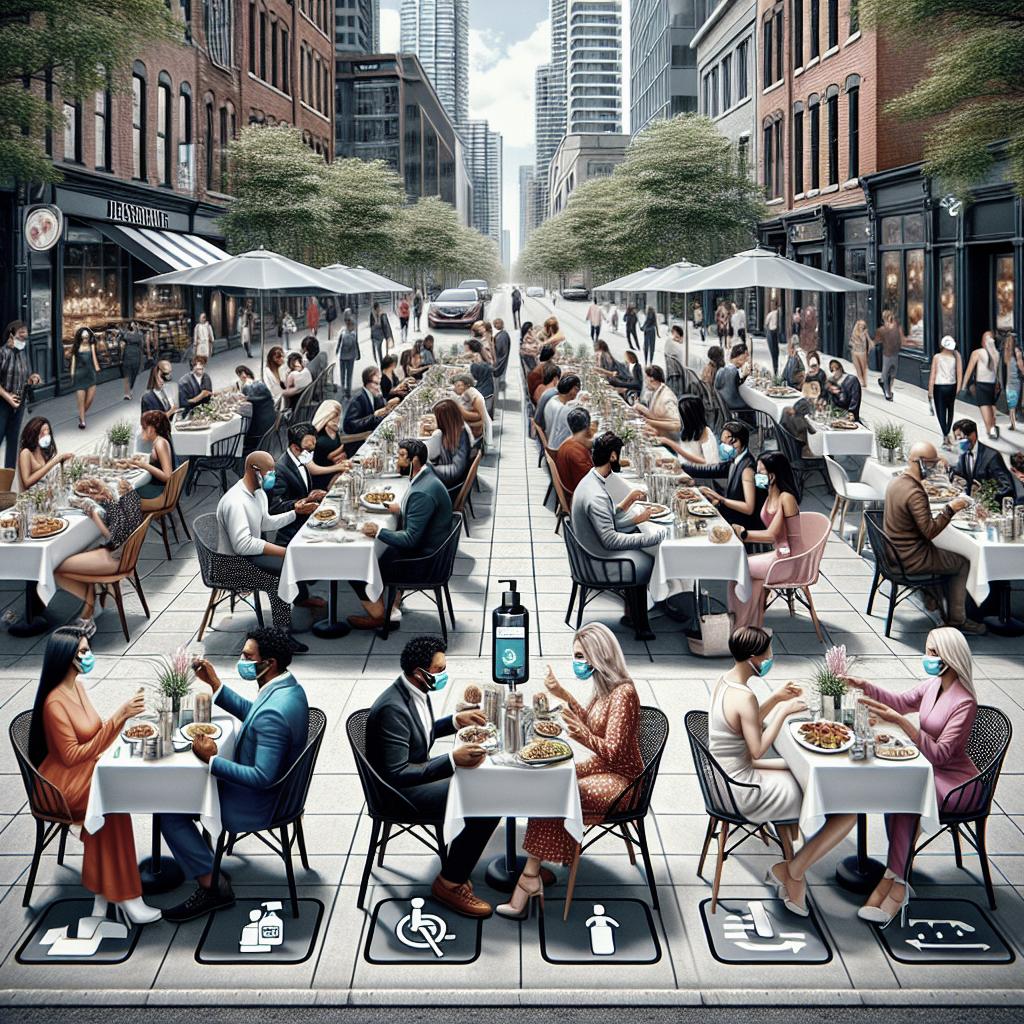
Restaurants are required to implement several safety measures to protect their patrons and staff. This includes reducing table capacity, spacing tables two meters apart, and utilizing barriers where appropriate. Implementing such measures helps in maintaining the recommended physical distancing between diners.
Additionally, some establishments have adopted contactless technology for menu viewing, ordering, and payment. These innovations not only improve safety by minimizing contact but also enhance the dining experience by incorporating modern, efficient methods.
Control the risk of transmission in the workplace
Restaurant owners and managers are tasked with creating safer environments by monitoring the health of their employees and enforcing workplace safety standards. This involves regular cleaning and disinfection of surfaces that come in contact with food or diners and ensuring staff members understand and comply with hygiene protocols.
Promoting a culture where employees feel comfortable reporting symptoms without fear of reprisal is essential. Staff members should also be encouraged to stay home if feeling unwell or if exposed to a suspected COVID-19 case to curb potential outbreaks.
Screen for COVID‑19
Screening processes should be in place within dining establishments, such as daily health checks for employees and optional checks for patrons. This typically involves a quick temperature check and a symptom inquiry to identify any potential infected individuals early on.
Ontario’s public health guidelines recommend that screening records be maintained for a fixed period to support rapid tracing should an outbreak occur. These records are crucial in breaking the chain of transmission and ensuring timely public health interventions.
Use masks as a control measure
Using masks as source control
Masks act as a crucial barrier in controlling the spread of COVID-19, especially in indoor dining settings where physical distancing might be challenging. Patrons should wear masks whenever they are not actively eating or drinking to prevent respiratory droplets from spreading.
The effectiveness of masks as source control has been evidenced by various studies showing reduced transmission in communities adhering to mask mandates. Thus, adhering to mask guidelines contributes significantly to public health safety.
Using masks and eye protection as PPE
In addition to masks, restaurant employees are advised to use eye protection such as face shields or goggles, especially in situations where interacting with diners gets within close proximity. This combination provides an added layer of protection against potential exposure.
PPE should be properly fitted and regularly inspected to ensure they provide the necessary level of protection. Proper training on the usage and disposal of PPE is also important to avoid cross-contamination.
Physical distancing (two metres)
Maintaining a distance of two meters between people who do not live in the same household is a key measure to slow down COVID-19 transmission. Dining establishments should arrange seating to facilitate this guideline, using physical barriers if maintaining such distances is logistically challenging within the premises.
Customers can contribute by waiting outside or in their cars until their seating is ready, hence reducing crowding around dining area entrances or lobbies. Planning ahead by making reservations also helps establishments manage guest flow better.
Workplace sanitation and hygiene
A rigorous sanitation routine is vital in preventing COVID-19 spread. High-touch surfaces, such as door handles, menus, and payment devices, should be cleaned and disinfected regularly. Employee work stations must be kept sanitized, with particular attention to kitchen areas where workers often converge.
Hand hygiene remains a strong defense against the virus. Placing hand sanitizing stations at strategic points throughout the restaurant supports a hygienic environment for both diners and staff members. Customers should be encouraged to sanitize their hands upon entering and leaving the establishment.
Ventilation and air flow
Improving ventilation within dining spaces can significantly reduce the airborne concentration of the virus, curbing its potential spread. Opening windows, using air purifiers, and maintaining air conditioning systems are some methods restaurants can employ to boost indoor air quality.
Advanced ventilation systems equipped with high-efficiency particulate air (HEPA) filters can further decrease the likelihood of airborne transmission, making the dining environment safer for both guests and staff alike.
Manage a potential case of, or suspected exposure to, COVID‑19 at the workplace
Having a plan in place to manage potential COVID-19 cases is crucial. Restaurants should develop protocols that address how to deal with employees or customers who display symptoms or are confirmed positive for COVID-19.
These protocols typically include immediate isolation from others, clear communication with local health authorities, and appropriate notification to those who may have been exposed to the virus while respecting individuals’ privacy and legal rights.
Provide notice
In the event of exposure, dining establishments must promptly inform both the employees and the local public health unit. Providing notice helps in tracing and isolating cases, thus controlling the spread of infection swiftly.
This step ensures compliance with public health requirements and demonstrates the restaurant’s commitment to transparency and customer safety, building trust among patrons and the broader community.
Provide information and training
Informing and training staff members on COVID-19 safety procedures is crucial for compliance and effective implementation of health protocols. This can be achieved through regular training sessions that focus on hygiene, proper mask usage, and the importance of physical distancing.
Employees must also be updated with changes in guidelines or protocols as dictated by public health agencies, ensuring that everyone is aware of the latest developments and measures to maintain a safe working environment.
Resources
Resources to prevent COVID‑19 in the workplace:
Toronto’s municipal and provincial websites offer comprehensive resources for businesses to stay up to date with COVID-19 safety practices. This includes detailed prevention guides, templates for safety plans, and information on available financial supports.
Business owners are encouraged to leverage these tools to maintain compliance and facilitate the implementation of effective health measures within their premises.
General COVID‑19 resources:
The Government of Canada’s public health portal is an invaluable resource for timely updates on COVID-19 health guidelines, research findings, and vaccination policies. Regular consultation of these resources can help ensure you remain informed of broader COVID-19 trends and strategies.
Moreover, the World Health Organization’s website offers international perspectives and advice that can enhance understanding of the global response and innovations in managing COVID-19.
Information on provincial COVID‑19 public health and legal requirements:
The Ontario government’s dedicated COVID-19 page outlines the ongoing legal requirements and health advice for businesses operating within the province. Compliance with these standards is non-negotiable for keeping operations within legal and safe boundaries.
Frequent reviews of these guidelines ensure that you remain abreast with any changes that may affect your dining protocols or safety measures.
Supporting posters and worker guidance:
Utilizing visual aids such as posters and infographics in your workplace can facilitate adherence to COVID-19 guidelines. These materials serve as quick reminders of important practices such as frequent hand washing, correct mask wearing, and maintaining physical distancing.
Many public health websites offer free printable versions to support businesses in enhancing communication and safety practices.
Important contacts
For specific inquiries or reporting, the Toronto Public Health Unit remains a vital contact. Furthermore, provincial contacts such as Ontario’s Ministry of Health provide channels for guidance and support in managing COVID-19 related issues.
Restaurant owners should keep contact information for local health authorities handy. In an outbreak or potential exposure, quick communication is key to appropriate public health response.
Summary of Main Points
| Topic | Summary |
|---|---|
| Understanding Risks | Stay informed on local COVID-19 conditions and assess personal health risks before dining out. |
| Safety Measures | Implement distancing, sanitation, and technology to enhance safety in dining environments. |
| Risk Management | Screening, PPE, and protocols for potential cases to control workplace transmission. |
| Information & Training | Regularly inform and train staff on updated practices and legal health requirements. |
| Resources & Contacts | Utilize public health resources and maintain communication with health authorities for updates and guidance. |
“`